THE TOOLKIT SERIES
Empowering Classrooms through Accessible Collaboration
Access field-tested classroom routines, team protocols, and developmental progressions engineered to ensure every student—across every grade and community—can master essential collaboration skills.
Reimagining How We Work Together
True collaboration is an individual competency that goes far beyond simply dividing up tasks on a group worksheet. Rooted in an ongoing research-practice partnership across New Hampshire school districts, this framework combines structural and dynamic classroom elements to ensure all collaborative opportunities are fundamentally high-quality, inclusive, and identity-safe.
The Core Definition
Collaboration is an individual’s capacity to contribute to, and work with, other people in an accessible, interdependent process as they work toward solving a problem, achieving a shared goal, or completing a project or task.
The Collaboration Implementation Roadmap
Effective collaboration does not happen by accident. This four-stage cycle guides educators through designing, preparing, facilitating, and assessing interdependent student group work.

01 | DESIGN
Construct Interdependent Tasks
02 | PREPARE
Set Norms & Scaffolds
03 | FACILITATE
Support Groups in Action
04 | REFLECT
Assess & Pivot
The 5 Dimensions of Collaboration
This developmental framework structures collaboration across five core competencies, closely aligned with the National Center for Innovation in Education. It prompts students to engage in active, metacognitive inquiry throughout the entire lifecycle of a team assignment.
Formative Tip:
Use these 5 dimensions as entry points for daily student check-ins during group work routines.
1. Self-Awareness & Personal Responsibility
How am I building on my strengths, interests, and experiences when planning group tasks and working on my part?
2. Communicating
Do I contribute my ideas clearly, listen respectfully, and encourage the participation of all group members?
3. Decision-Making & Problem Solving
How do I show that I value perspectives of others and am willing to work with others to resolve my personal challenges or conflicts between members?
4. Contributing & Supporting
Do I contribute to group expectations by providing feedback on the work and ideas of others, completing my tasks, and assessing the quality of our results?
5. Monitoring & Adapting
How do the members of my group evaluate our progress and determine when and how we should modify our approach to benefit the group?
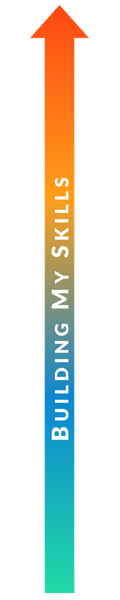

Extending — Self-Directed / Supports Others: Emerging Experts synthesize a group’s best thinking, actively voice and address underlying power imbalances in a group’s dynamic, and proactively anticipate conflicts in order to maximize team cohesion. New Hampshire’s progressions call this level “Extending.”

Applying — Independent & Consistent: Strategic Learners deeply value all group members’ perspectives, confidently initiate compromises to keep group work moving forward, and build clear consensus to define roles matching individual strengths. New Hampshire’s progressions call this level “Applying.”

Developing — With Structured Guidance: Advanced Beginners remain consistently open to competing ideas from others, actively seek to avoid unnecessary conflict, cooperate to keep group work moving forward, and take turns with tasks to ensure institutional fairness. New Hampshire’s progressions call this level “Developing.”

Emerging — Requires Direct Prompting: Beginners show foundational respect for different perspectives with structural support and direct modeling, care about how their immediate peers feel, and defer completely to the group for major decision making and task assignment. New Hampshire’s progressions call this level “Emerging.”
Developmental Progressions by Grade Span
Select a grade band below to view the targeted performance matrix. Note: Dimensions 1 (Self-Awareness) and 5 (Monitoring & Adapting) are student-led reflective self-assessments rather than traditional teacher-led assessments.
Extending
SELF ASSESSMENT
Self-Awareness & Personal Responsibility
How am I building on my strengths, interests, and experiences when planning group tasks and working on my part?
I can also…
SELF ASSESSMENT
Communicating
Do I contribute my ideas clearly, listen respectfully, and encourage the participation of all group members?
I can also…
SELF ASSESSMENT
Decision-Making & Problem Solving
How do I show that I value perspectives of others and am willing to work with others to resolve my personal challenges or conflicts between members?
I can also…
SELF ASSESSMENT
Contributing & Supporting
Do I contribute to group expectations by providing feedback on the work and ideas of others, completing my tasks, and assessing the quality of our results?
I can also…
SELF ASSESSMENT
Monitoring & Adapting
How do the members of my group evaluate our progress and ways to determine when and how we should modify our approach to benefit the group?
I can also…
Self-Directed / Supports Others
Applying
reflect on what I did well, what I’m getting better at, and what I learned from working with my group.
I can also…
encourage everyone to participate by asking follow-up questions that help the group to better understand ideas or suggestions.
I can also…
suggest ways that the group might work out a conflict or problem.
I can also…
work with my group to evaluate how we did in meeting group goals and suggest ways to improve the quality of our work next time.
I can also…
work with my group to suggest ways to improve how we work together as a group. (e.g., using peer conferencing tools).
I can also…
Independent & Consistent
Developing
work with my group to figure out what tasks we each can do to accomplish our shared goal and work to complete my part.
I can also…
give suggestions to others and ask for feedback that helps me clarify my ideas.
I can also…
help my group plan and suggest ways to be fair with who does each part or task.
I can also…
meet group expectations for contributing and completing my part of the group’s work.
I can also…
build on ideas and suggestions of others to improve our group’s strategies or plan.
I can also…
With Structured Guidance
Emerging
choose what I will do to help my group meet a goal.
I can…
answer questions that help me say more about my ideas and get more information about the ideas of others.
I can…
work with my group to compare how each of our ideas might be different or the same.
I can…
ask for feedback on my ideas and give feedback to others when asked.
I can…
suggest ideas when my group has a problem and needs to make changes to our plan.
I can…
Requires Direct Prompting
show that I understand group processes by paying attention and suggesting ways I can help with group tasks.
take turns speaking, share my ideas, and listen to ideas from each group member.
recognize how others feel and try to work out differences when we disagree.
offer my ideas and respond to the ideas of others with a question or personal opinion.
reflect on my progress and follow guidance from others when I need help.
Extending
SELF ASSESSMENT
Self-Awareness & Personal Responsibility
How am I building on my strengths, interests, and experiences when planning group tasks and working on my part?
I can also…
SELF ASSESSMENT
Communicating
Do I contribute my ideas clearly, listen respectfully, and encourage the participation of all group members?
I can also…
SELF ASSESSMENT
Decision-Making & Problem Solving
How do I show that I value perspectives of others and am willing to work with others to resolve my personal challenges or conflicts between members?
I can also…
SELF ASSESSMENT
Contributing & Supporting
Do I contribute to group expectations by providing feedback on the work and ideas of others, completing my tasks, and assessing the quality of our results?
I can also…
SELF ASSESSMENT
Monitoring & Adapting
How do the members of my group evaluate our progress and ways to determine when and how we should modify our approach to benefit the group?
I can also…
Self-Directed / Supports Others
Applying
reflect on what I learned working with my group when I used my strengths and challenged myself.
I can also…
encourage everyone to participate by asking follow-up questions, giving relevant feedback, or showing appreciation for each person’s contributions.
I can also…
ask others to share different points of view when we are trying to find a way to resolve a conflict.
I can also…
work with my group to give each other help and feedback to ensure the quality of our work meets group goals and success criteria.
I can also…
reflect with my group on progress we made and what we learned from working out problems or challenges together.
I can also…
Independent & Consistent
Developing
work with my group to analyze possible strategies and roles, choose the best approach to accomplish our shared goal, and complete my parts.
I can also…
provide additional support for my ideas and opinions and ask others to elaborate on their perspectives so I can better understand them.
I can also…
work with my group to agree on how to fairly assign tasks and roles (e.g., figuring out how to use each person’s ideas, strengths, or interests).
I can also…
meet group expectations for completing my individual tasks and contributing to the quality of my group’s work.
I can also…
affirm and build on ideas of others and help my group change our plan to improve our strategies or our processes.
I can also…
With Structured Guidance
Emerging
choose my role and work to complete my tasks to help my group meet a shared goal.
I can…
clarify or elaborate on my ideas when asked and ask others for more information about their ideas.
I can…
contribute my ideas to group planning and suggest ways to be fair when deciding on possible tasks.
I can…
ask for feedback on my ideas and give feedback to others based on group expectations and planning.
I can…
work with my group to identify challenges and look for possible solutions.
I can…
Requires Direct Prompting
suggest ways I will contribute my strengths to help with group tasks.
take turns when sharing my ideas, giving suggestions, or listening to ideas shared by others.
compare my ideas to ideas of others and respond to questions that help me understand the similarities or differences.
share my ideas and explain how they could help meet our group’s expectations.
reflect on my progress and reach out to others for feedback when needed.

Extending
SELF ASSESSMENT
Self-Awareness & Personal Responsibility
How am I building on my strengths, interests, and experiences when planning group tasks and working on my part?
I can also…
SELF ASSESSMENT
Communicating
Do I contribute my ideas clearly, listen respectfully, and encourage the participation of all group members?
I can also…
SELF ASSESSMENT
Decision-Making & Problem Solving
How do I show that I value perspectives of others and am willing to work with others to resolve my personal challenges or conflicts between members?
I can also…
SELF ASSESSMENT
Contributing & Supporting
Do I contribute to group expectations by providing feedback on the work and ideas of others, completing my tasks, and assessing the quality of our results?
I can also…
SELF ASSESSMENT
Monitoring & Adapting
How do the members of my group evaluate our progress and determine when and how we should modify our approach to benefit the group?
I can also…
Self-Directed / Supports Others
Applying
describe how I contributed my strengths and overcame challenges to improve the quality of my group’s final product.
I can also…
contribute well-supported ideas and validate each team member’s contributions with positive reinforcement and constructive feedback.
I can also…
work with my group to evaluate possible trade-offs and merits of each idea and find a way to resolve conflicts that honor each member’s contributions.
I can also…
analyze alternative approaches that could increase my personal learning or advance the overall quality of my group’s performance.
I can also…
work with my group to reflect on group progress and adapt norms, roles, or strategies to optimize the collective group effort and advance the overall quality of my group’s performance.
I can also…
Independent & Consistent
Developing
work with my group to set group goals, analyze possible approaches to accomplish tasks, and assign individual roles that maximize group potential.
I can also…
work with my group to pose questions, seek feedback, and analyze different perspectives in order to modify a position or idea.
I can also…
work with my group to build consensus when determining tasks and roles needed to achieve group goals, based on each person’s strengths or interests.
I can also…
support my group by working to complete individual and group tasks and evaluating the effectiveness of our approach or quality of our final product.
I can also…
work with my group to analyze challenges, identify the need for different strategies, and adjust our approach to meet individual or group needs.
I can also…
With Structured Guidance
Emerging
show a commitment to group goals and adjust my responsibilities to ensure that my contributions help my group meet success criteria for quality work.
I can…
justify my point of view with supporting evidence and pose questions or give feedback to others to clarify their points of view.
I can…
use my understanding of differing perspectives and approaches to develop shared group goals, roles, and tasks.
I can…
affirm the efforts and ideas of others and suggest ways to use them to advance group expectations and planning.
I can…
contribute ideas and build upon suggestions from others to make possible individual or group course corrections.
I can…
Requires Direct Prompting
draw on past experiences when working with my group to establish norms for group processes and to guide my contributions to group tasks.
share and elaborate on my perspectives and encourage others to share their perspectives during group dialogue.
follow a process provided by the teacher to advocate for my ideas, consider ideas of others, and work toward group consensus.
explain how my contributions could help to meet expectations for completing my group’s work.
monitor my progress in completing tasks and work through challenges with help from others.

Extending
SELF ASSESSMENT
Self-Awareness & Personal Responsibility
How am I building on my strengths, interests, and experiences when planning group tasks and working on my part?
I can also…
SELF ASSESSMENT
Communicating
Do I contribute my ideas clearly, listen respectfully, and encourage the participation of all group members?
I can also…
SELF ASSESSMENT
Decision-Making & Problem Solving
How do I show that I value perspectives of others and am willing to work with others to resolve my personal challenges or conflicts between members?
I can also…
SELF ASSESSMENT
Contributing & Supporting
Do I contribute to group expectations by providing feedback on the work and ideas of others, completing my tasks, and assessing the quality of our results?
I can also…
SELF ASSESSMENT
Monitoring & Adapting
How do the members of my group evaluate our progress and determine when and how we should modify our approach to benefit the group?
I can also…
Self-Directed / Supports Others
Applying
analyze how my roles and responsibilities within the group dynamics demonstrated individual responsibility and enhanced group equity.
I can also…
contribute well-supported ideas and validate each team member’s contributions with positive reinforcement and constructive feedback.
I can also…
work with my group to evaluate the effects of decisions made to resolve conflicts in terms of honoring each member’s contributions and strengthening group cohesiveness.
I can also…
analyze alternative approaches that could increase my personal learning or advance the overall quality of my group’s performance.
I can also…
work with my group to reflect on progress and adapt group norms, roles, or strategies to optimize the collective group effort and enhance a positive group dynamic.
I can also…
Independent & Consistent
Developing
work with my group to adapt approaches and overcome potential challenges to accomplish a shared goal and maximize group potential.
I can also…
pose direct follow-up questions, seek relevant feedback, and evaluate different perspectives in order to modify, or strengthen a position or idea.
I can also…
resolve potential group conflicts by refining my position or seeking a compromise that builds on the group’s best ideas.
I can also…
complete my individual tasks and work with my group to evaluate the effort and quality of our contributions in meeting established group goals.
I can also…
work with my group to evaluate group progress and needs, seek solutions, and reassign responsibilities to troubleshoot problems.
I can also…
With Structured Guidance
Emerging
work with my group to analyze our approach and plan out equitable tasks so that each member’s contributions help the group meet success criteria for work quality.
I can…
justify my point of view with supporting evidence and pose questions or give relevant feedback to others to help them clarify their points of view.
I can…
work with my group to build consensus when our group encounters problems or has differing viewpoints (e.g., determining tasks or roles based on strengths or interests).
I can…
affirm the efforts, ideas, and contributions of team members and give constructive feedback based on group expectations and planning.
I can…
work with my group to identify potential challenges or the need to adjust our approach in order to meet individual or group needs.
I can…
Requires Direct Prompting
work with my group to set group goals and roles, establish norms for group processes, and identify or adapt my contributions to meet group needs.
share and elaborate on my perspectives and encourage others to clarify their perspectives during group dialogue.
follow an established process provided to advocate for my ideas, consider ideas of others, and work toward group consensus.
identify my individual contributions and justify how they could help to meet specific group needs or goals.
identify models, approaches, or support that will help me to overcome barriers in completing my tasks and work through challenges.
Collaboration Progressions
Select and download the target performance progressions for your specific grade span:
Planning & Design
Access lesson design frameworks for teachers alongside student baseline assessments and roadmaps:
Feedback & Iteration
Guide active dialogue, peer review, mid-task progress tracking, and strategy pivots: